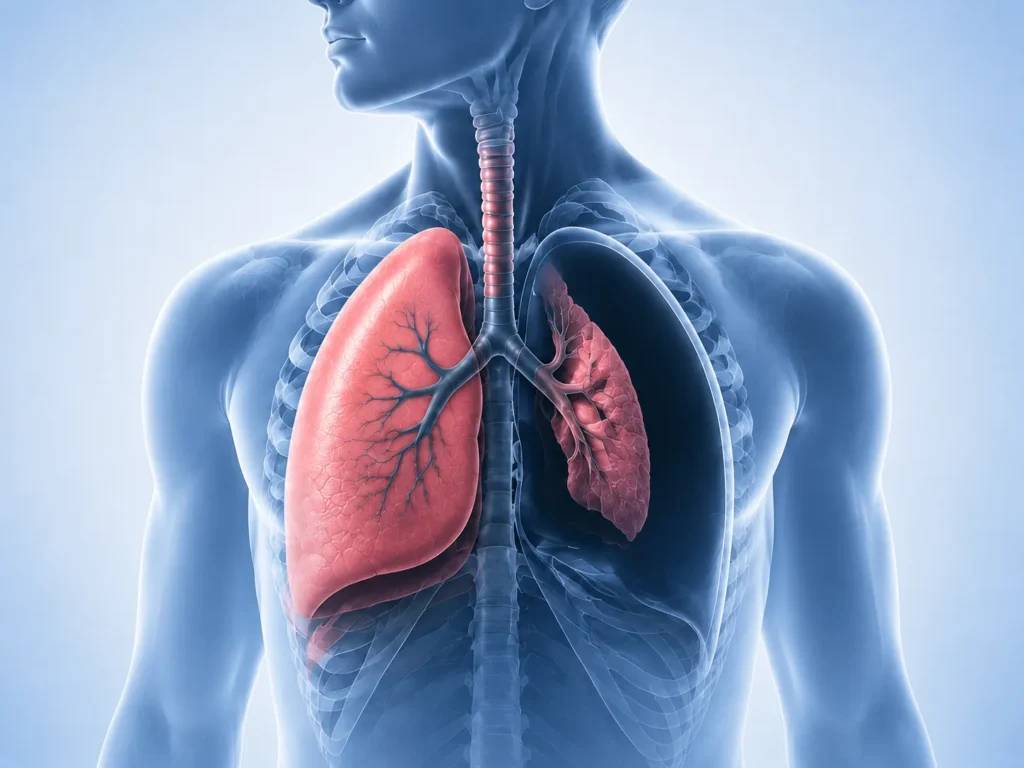
A pneumothorax, commonly known as a collapsed lung, occurs when air collects between the lung and chest wall, preventing normal lung expansion. It can range from a small, manageable condition to a medical emergency requiring immediate treatment. Understanding its causes, symptoms, and warning signs helps ensure timely diagnosis and care.
According toDr. George Karimundackal, an esteemed thoracic surgeon in Mumbai, early evaluation is important because the severity of a pneumothorax can vary significantly between patients. “A collapsed lung should never be ignored, especially when symptoms like sudden chest pain and breathlessness occur. With accurate diagnosis and advanced treatment options, most patients can recover well and return to normal activities.”
Dr. Karimundackal specialises in the diagnosis and treatment of complex chest and lung conditions. With expertise in minimally invasive and robotic thoracic surgeries, he provides personalised care for conditions such aspneumothorax, lung nodules, and lung cancer. His experience as alung cancer specialist in Mumbai also allows him to manage a wide range of thoracic disorders with a comprehensive approach.
Not sure what happens when a lung collapses? Let’s understand the condition clearly.
What Is a Pneumothorax (Collapsed Lung)?
When air accumulates in this area, it creates pressure on the lung, causing partial or complete collapse. The amount of lung collapse depends on how much air has entered the pleural space and the underlying health of the patient.
A pneumothorax may be:
Small and stable, requiring only observation
Large or worsening, requiring medical intervention
Life-threatening, especially in cases of tension pneumothorax
A collapsed lung can affect breathing efficiency because the affected lung cannot expand properly.
What leads to a lung suddenly collapsing? Let’s explore the common causes.
What Causes a Collapsed Lung?
A pneumothorax can develop due to several reasons, including medical conditions, injuries, or procedures.
Lung-related causes
Weak areas or air blisters (blebs) on the lung surface
Chronic lung diseases such as COPD
Tuberculosis-related lung damage
Lung infections
Certain genetic lung disorders
Injury-related causes
Road traffic accidents
Falls or blunt chest injuries
Rib fractures damaging lung tissue
Penetrating chest injuries
Medical procedure-related causes
A pneumothorax may rarely occur after procedures such as:
Lung biopsy
Central line placement
Mechanical ventilation
Chest procedures
Lifestyle-related factors
Smoking significantly increases the risk because it damages lung tissue and promotes the formation of weak areas that may rupture.
Are all collapsed lungs the same? Let’s look at the different types.
What Are the Different Types of Pneumothorax?
Pneumothorax is classified based on its cause and severity.
Primary Spontaneous Pneumothorax
This occurs without any known lung disease. It commonly affects younger individuals, especially those who are tall, thin, or smokers.
Secondary Spontaneous Pneumothorax
This develops due to an existing lung condition such as COPD, tuberculosis, or lung fibrosis.
Traumatic Pneumothorax
This happens after chest injuries, accidents, or trauma that allows air to enter the pleural space.
Iatrogenic Pneumothorax
This occurs as a complication of certain medical procedures.
Tension Pneumothorax
This is the most serious form. Air continues to build up inside the chest, increasing pressure on the lungs and heart. It requires immediate emergency treatment.
How do you know if a collapsed lung needs urgent attention? Let’s discuss the warning signs.
What Are the Symptoms and Emergency Warning Signs of Pneumothorax?
Symptoms of pneumothorax can appear suddenly and may include:
What does recovery look like after treatment? Let’s discuss the healing process.
Recovery and Follow-Up After Pneumothorax Treatment
Recovery depends on the severity of the pneumothorax and the treatment performed.
Patients may need:
Follow-up chest imaging
Breathing exercises
Gradual return to physical activities
Avoidance of smoking
Monitoring for recurring symptoms
After surgery, most patients gradually return to normal activities within a few weeks. Follow-up care ensures the lung has fully expanded and helps identify any concerns early.
Looking for expert care after a collapsed lung?
Get in touch with a thoracic specialist for comprehensive treatment and recovery support.