
Pneumothorax Treatment in Mumbai
Pneumothorax, commonly known as a collapsed lung, is a condition in which air leaks into the space between the lung and the chest wall, causing the lung to partially or completely collapse. This can lead to sudden chest pain and difficulty breathing, making it a condition that requires prompt medical attention. While some mild cases may resolve on their own, others may need urgent intervention to prevent complications.
Dr. George Karimundackal, a thoracic surgeon in Mumbai, India, highlights, “Early detection and timely management play a crucial role in preventing recurrence and ensuring proper lung function. With advancements in minimally invasive techniques, pneumothorax can now be treated more safely and effectively with quicker recovery.”
Dr. Karimundackal has extensive experience in treating complex chest conditions, including pneumothorax. Known for his expertise in minimally invasive thoracic procedures.
What exactly is a pneumothorax, and how does it affect the lungs? Let’s explore this condition in a simple and clear way.
What is Pneumothorax?
Spontaneous Pneumothorax: Occurs without injury, often in tall, thin individuals or smokers.
Traumatic Pneumothorax: Caused by chest injury or accidents.
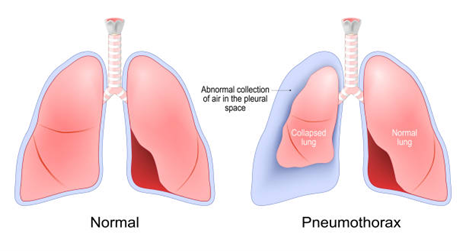
Secondary Pneumothorax: Happens in people with existing lung diseases like COPD or infections.
Tension Pneumothorax: A severe form where pressure builds up rapidly and can be life-threatening.
What are the warning signs you should not ignore? Let’s dive into the common symptoms of a collapsed lung.
Symptoms of Pneumothorax
Symptoms can vary depending on severity, but often include:
Sudden sharp chest pain, usually on one side
Breathing difficulties or shortness of breath
Fast heartbeat
Tiredness or dizziness
Bluish skin (in severe cases due to lack of oxygen)
Dry cough

In mild cases, symptoms may be subtle, while a severe pneumothorax can cause significant breathing distress.
What leads to a collapsed lung in the first place? Let’s explore the common causes behind this condition.
Causes of Pneumothorax
The following factors may lead to pneumothorax:
Smoking: Weakens lung tissue and increases risk
Chest Injury: Due to falls, rib fractures or accidents
Lung Diseases: COPD, tuberculosis or infections
Air Pressure Changes: Seen in divers or frequent flyers
Hereditary Factors: Some individuals are more prone due to their body structure
Medical Interventions: Biopsy or ventilation-related complications
Understanding the cause helps in choosing the right pneumothorax treatment approach.
When should pneumothorax symptoms be considered serious? Let’s discuss when immediate medical attention is necessary.
When to See a Doctor?
You should see a doctor if you have:
Unexpected chest pain along with shortness of breath
Worsening symptoms
History of a pneumothorax
Chest injury with subsequent breathing problems
Severe fatigue or fainting
Early diagnosis by an expert can help prevent complications and recurrence.

How is pneumothorax diagnosed accurately? Let’s explore the tests used to confirm this condition.
Pneumothorax Diagnosis
The diagnosis of pneumothorax involves clinical evaluation and imaging procedures to determine extent of lung collapse and the underlying cause.
Physical Examination
The physician looks out for reduced breath sounds, chest movement asymmetry, and signs of respiratory distress.
Chest X-ray
This is usually the first test done to determine if there is air in pleural space and confirm lung collapse.
CT Scan (Computerized Tomography)
This test gives detailed images of the lungs and is more useful when diagnosing a small pneumothorax or any lung pathology.


Ultrasound
Usually used in emergency settings for quick bedside diagnosis particularly in trauma cases.
Pulse Oximetry
This helps determine the function of the lungs through measurements of oxygen level in the bloodstream.
Arterial Blood Gas (ABG) Test
Arterial blood gas test is usually used to evaluate oxygen and carbon dioxide levels and determine the severity of respiratory compromise. Diagnosis is important for choosing the most effective pneumothorax treatment in Mumbai.
What are the best treatment options available for pneumothorax? Let’s explore the most effective approaches used to manage this condition.
Pneumothorax Treatment Options in Mumbai
Treatment for pneumothorax depends on the size, severity, and whether it is a first-time or recurrent episode:
Observation and Monitoring:
Small pneumothorax cases may heal on their own with rest and regular monitoring through imaging.
Oxygen Therapy:
Supplemental oxygen helps speed up the reabsorption of air from the pleural space and improves breathing.
Needle Aspiration:
A minimally invasive procedure where a needle is used to remove trapped air and allow the lung to re-expand.

Pleurodesis:
A procedure that seals the lung to the chest wall, reducing the risk of future collapse, often recommended for recurrent cases.
Video-Assisted Thoracoscopic Surgery (VATS):
A minimally invasive surgical technique used in recurrent or persistent pneumothorax to repair leaks and prevent recurrence.
Emergency Treatment for Tension Pneumothorax:
Immediate needle decompression followed by chest tube placement is required in life-threatening situations.
Chest Tube Insertion (Intercostal Drainage):
A tube is placed in the chest to continuously remove air, commonly used in moderate to severe cases.
With access to advanced technology, Dr. George Karimundackal offers safe and evidence-based collapsed lung treatment in Mumbai, India, focusing on faster recovery, minimal discomfort, and reduced recurrence rates.
Seeking a seasoned pneumothorax specialist in Mumbai?
Why Choose Dr. George Karimundackal for Pneumothorax Treatment
Extensive Expertise in Thoracic Surgery:
15+ years of experience in treating lung and chest conditions, including complex and recurrent pneumothorax cases.
Specializes in advanced techniques like VATS, ensuring less pain, smaller incisions, and faster recovery.
- Personalized Treatment Plans:
Each case is carefully evaluated to provide tailored treatment based on severity and patient needs.
- Comprehensive Care:
From diagnosis to post-treatment follow-up, patients receive complete and continuous care.

- Focus on Recurrence Prevention:
Expertise in procedures such as pleurodesis helps reduce the risk of recurrent pneumothorax.
- Advanced Technology and Techniques:
Uses modern diagnostic tools and surgical methods for precise and safe treatment.
Dr. George Karimundackal provides evaluation and treatment for pneumothorax, a condition in which air collects in the space between the lung and chest wall.
For pneumothorax consultations, contact the clinic.
Frequently Asked Questions
Disclaimer: The information shared in this content is for educational purposes only and not for promotional use.