
Aspergilloma Treatment in Mumbai
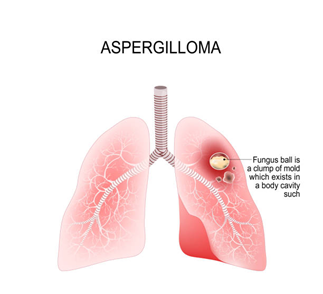
Aspergilloma, often referred to as a fungal ball in the lungs, develops when the Aspergillus fungus grows within pre-existing cavities in the lung, commonly left behind by conditions like tuberculosis or chronic lung infections. While some patients may remain asymptomatic, others may experience persistent cough or coughing up blood, which may require immediate medical attention.
Dr. George Karimundackal, an esteemed thoracic surgeon in Mumbai, India, notes, “Early detection and timely intervention are crucial in managing aspergilloma effectively, especially to prevent complications such as severe bleeding. With modern surgical techniques, treatment outcomes have significantly improved.”
Dr. Karimundackal treats complex lung conditions with precision and advanced techniques. With expertise in minimally invasive thoracic procedures and a strong focus on patient-centered care, he is a specialist for aspergilloma treatment in Mumbai. His experience in managing lung fungal infections and performing advanced surgical interventions is relevant for patients seeking treatment.
What exactly is an aspergilloma, and how does it form? Let’s explore this condition in a simple and clear way.
What is Aspergilloma?
It is caused by Aspergillus, a common fungus found in the environment.
The fungus colonizes existing lung cavities rather than infecting healthy tissue.
It may remain stable or grow over time.
It can sometimes lead to bleeding within the lungs.
What signs should you watch out for? Let’s dive into the common symptoms of aspergilloma.
Symptoms of Aspergilloma
Symptoms can vary from mild to severe, depending on the size and activity of the fungal ball:
Coughing up blood (hemoptysis) – the most common and concerning symptom
Chronic cough
Shortness of breath
Chest pain
Fatigue or weakness
Unintentional weight loss (in some cases)
Some patients may not show symptoms until complications arise.

Causes of Aspergilloma
Aspergilloma typically develops in individuals with pre-existing lung cavities:
Previous Tuberculosis (TB) – one of the most common causes
Chronic lung infections
Lung abscesses
Sarcoidosis
Emphysema or COPD
Weakened immune system
These conditions create spaces in the lungs where the fungus can grow and form a fungal ball.

When should aspergilloma be treated? Let’s discuss when medical intervention becomes necessary
When Do You Need Aspergilloma Treatment?
Not all aspergilloma cases require immediate treatment. However, treatment is essential if:
There is recurrent or severe hemoptysis (coughing blood)
The fungal ball is increasing in size
Symptoms are worsening
There is a risk of complications
Early intervention helps prevent life-threatening bleeding and improves outcomes.
How is aspergilloma diagnosed accurately? Let’s explore the key tests used to confirm this condition
Diagnosis of Aspergilloma
Diagnosing aspergilloma involves a combination of clinical evaluation and imaging studies to identify the fungal ball and assess its impact on the lungs.
Chest X-ray
Often the first step, it may show a rounded mass within a lung cavity, sometimes with an “air crescent” sign.
CT Scan (Computed Tomography)
Provides detailed images of the lungs and is the most reliable test to confirm aspergilloma and evaluate its size, location, and surrounding lung condition.
Sputum Examination
Sputum sample can be tested to identify the Aspergillus fungus but the results may vary.


Blood Tests (Aspergillus IgG / Antibodies)
Helps determine the immune response of the body to the fungal infection and supports diagnosis.
Bronchoscopy
In selected cases, a camera is inserted into the airways to directly visualize the area and collect samples for analysis.
Pulmonary Function Tests (PFTs)
Assess overall lung function and help determine if a patient is fit for surgery. Accurate diagnosis is essential for planning effective lung fungus treatment in Mumbai and avoiding complications like severe bleeding.
What are the most effective ways to treat aspergilloma? Let’s explore the treatment options available for managing this condition
Aspergilloma Treatment Options in Mumbai
Treatment for aspergilloma depends on the severity of symptoms, size of the fungal ball, and overall lung health. Dr. George Karimundackal offers medical and surgical aspergilloma treatment in Mumbai tailored to each patient:
Observation and Regular Monitoring
In asymptomatic cases, doctors may recommend close monitoring with periodic imaging to track any changes in size or symptoms.
Antifungal Medications
Oral antifungal drugs may be prescribed in select cases, although they are less effective for treating a well-formed fungal ball.

Bronchial Artery Embolization (BAE)
A minimally invasive procedure used to control or stop bleeding (hemoptysis), especially in emergency situations. It provides temporary relief but may not be a permanent solution.
Surgical Removal (Lung Resection)
The most definitive treatment for symptomatic aspergilloma. This involves removing the affected portion of the lung and is commonly performed in advanced cases.
Video-Assisted Thoracoscopic Surgery (VATS)
A minimally invasive surgical technique that uses small incisions, resulting in less pain, quicker recovery, and shorter hospital stay. Dr. Karimundackal often employs VATS for aspergilloma surgery in Mumbai.
Open Surgery (Thoracotomy)
In complex or large aspergilloma cases, open surgery may be required to safely remove the fungal mass.
Supportive Care
Includes managing symptoms like cough and improving overall lung health through rehabilitation and lifestyle changes.
When offering lung fungal ball treatment in Mumbai, Dr. George Karimundackal focuses on precision, safety, and faster recovery using modern surgical techniques.
Seeking the right specialist for aspergilloma care? Let’s explore what sets Dr. Karimundackal’s treatment apart
Why Choose Dr. George Karimundackal for Aspergilloma Treatment?
Dr. George Karimundackal has extensive experience managing complex lung infections, including fungal conditions such as aspergilloma.
He is highly skilled in advanced procedures such as VATS, which can lead to less pain, smaller incisions, and faster recovery.
- Expertise in Complex and Post-TB Cases
With significant experience, Dr. Karimundackal effectively treats aspergilloma cases that develop after tuberculosis or chronic lung diseases.

Dr. George Karimundackal has extensive experience managing complex lung infections, including fungal conditions such as aspergilloma.
He is highly skilled in advanced procedures such as VATS, which can lead to less pain, smaller incisions, and faster recovery.
- Expertise in Complex and Post-TB Cases
With significant experience, Dr. Karimundackal effectively treats aspergilloma cases that develop after tuberculosis or chronic lung diseases.
For aspergilloma consultations, contact the clinic.
Frequently Asked Questions
Disclaimer: The information shared in this content is for educational purposes only and not for promotional use.