- Have any questions?
- 085913 90567
- drgeorgechestdiseases@gmail.com

Lung Cancer Screening: Who Should Get a Low-Dose CT Scan?

Recurrent Pneumothorax: When Is Surgery Needed?
September 3, 2026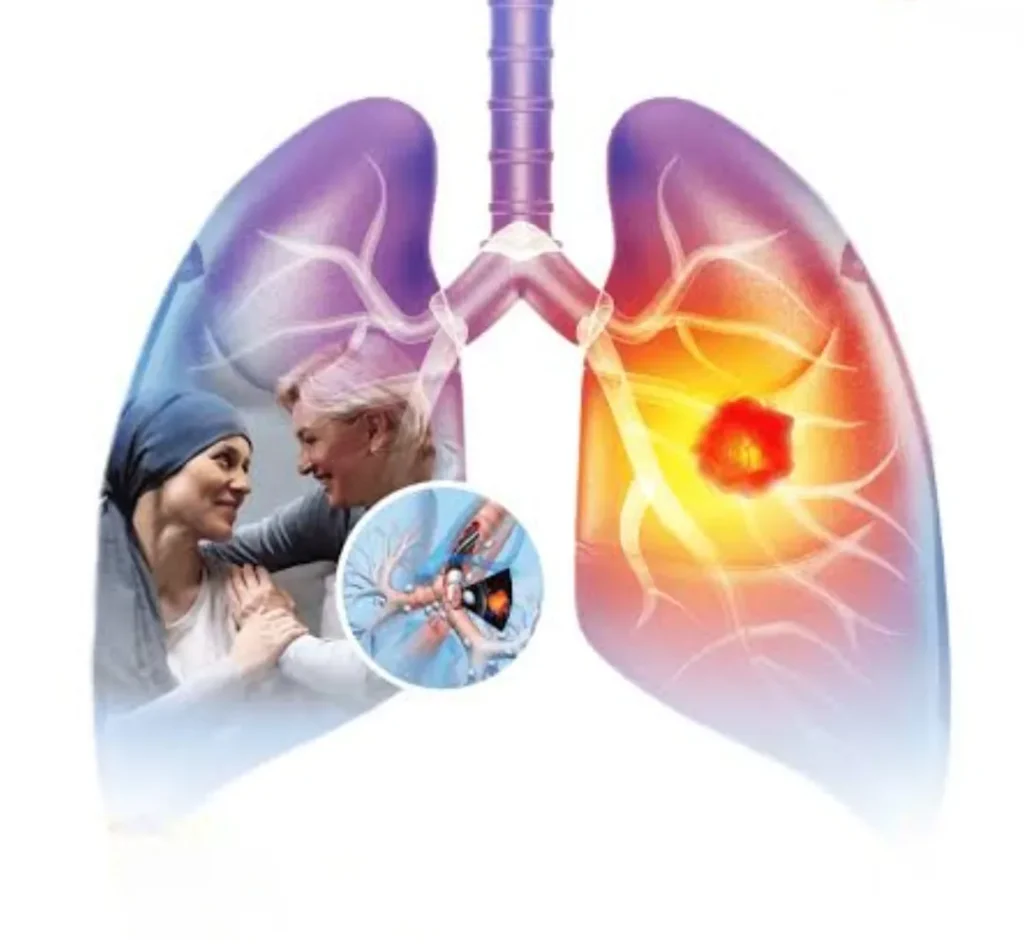
Lung cancer usually develops silently without presenting any symptoms until it has progressed. Lung cancer screening helps detect early signs of lung changes before any symptoms present and assists in evaluating the findings and taking further action accordingly. Early identification of lung cancer may provide patients with better treatment opportunities and results.
Dr. George Karimundackal, an ace lung cancer specialist & thoracic surgeon in Mumbai, says that screening is crucial for individuals who are at a greater risk of having lung cancer. The low dose CT scan helps detect smaller changes in the lungs than a regular chest X-ray would and thus allows the specialist to monitor or address the issue.
Dr. Karimundackal specializes in diagnosing and treating complex conditions of the chest, including lung cancer and lung nodules. With his extensive knowledge in thoracic surgeries and minimally invasive methods, Dr. George Karimundackal can take care of your needs when you require lung cancer screening and evaluation of your CT abnormalities.
Lung Cancer Screening: Why Is Early Detection Important?
Lung cancer may not cause noticeable symptoms in its early stages, making timely screening important for high-risk individuals. Detecting changes in the lungs early can help doctors evaluate concerns sooner and plan appropriate care.

Getting screened can increase one’s treatment options and the possibility of good results. Consider your risk factors with a specialist to determine if you need to undergo lung cancer screening.
Worried about your lung cancer risk or screening needs? Early evaluation can provide clarity and timely guidance. Connect with an expert for personalised advice.
Low-Dose CT Scan for Lung Cancer Screening: How It Works

Understanding how the screening process works can help you feel more prepared and confident about your lung health. If you have risk factors for lung cancer, discuss whether a low-dose CT scan may be suitable for you.
Who benefits most from lung screening? Let’s understand who may need evaluation.
Who Should Get a Low-Dose CT Scan for Lung Cancer?
A low-dose CT scan is mainly recommended for people with a higher risk of lung cancer. Lung cancer screening for smokers is especially important because long-term tobacco exposure is one of the strongest risk factors.
Low-dose CT scans can be suggested to people who have:
* Significant smoking history
* Active smoking
* History of smoking with elevated risks
* Some risks related to age
* Any other medical or environmental risks
Those individuals who have a family history of lung cancer, occupational exposure or chronic lung diseases, should also consider visiting an expert regarding the issue.
An appointment with the specialist helps determine whether a person needs a low-dose CT scan or not.
Are there specific rules for screening? Let’s understand the eligibility criteria.
Lung Cancer Screening Guidelines and Eligibility Criteria
Not everyone needs lung cancer screening. It is recommended for individuals with a higher risk of developing lung cancer based on factors such as age, smoking history, and overall health status.

Understanding lung cancer screening eligibility helps ensure screening is offered to people most likely to benefit from it.
Risk Factors That Increase Your Chances of Lung Cancer
Several factors can increase the likelihood of developing lung cancer. Understanding these risk factors can help you take preventive steps and recognise when screening may be beneficial.

“While some risk factors cannot be changed, reducing avoidable exposures, maintaining healthy habits, and following recommended lung cancer screening guidelines can support better lung health,” advises Dr. George Karimundackal, a leading lung cancer specialist in Mumbai.
Benefits of Low-Dose CT Screening for Lung Cancer Detection
Low-dose CT scan for lung cancer has the following benefits:
* Detects cancer at an early stage
* Detects smaller cancerous tumors
* Helps in treatment planning
* Facilitates monitoring of abnormalities in lungs
* Enables decision making
The early detection of lung cancer helps get treatment before it spreads in the body.
Limitations & Risks Associated with Lung Cancer Screening
While there are many advantages, there are a few things to consider:
* May result in false positive, thus necessitating further tests
* Inevitable small amount of radiation exposure due to CT scanning
* Some benign nodules may have to be monitored
* May cause some worry until abnormal results are explained
That is precisely why screening is advised to those who qualify based on certain criteria.
Not sure whether screening is right for you? A specialist evaluation can help you understand your personal risk and options. Get in touch with an expert for accurate guidance.
What Happens During a Low-Dose CT Lung Screening Test?
The low-dose CT screening test is a simple and quick process.
During the procedure, the following happens:
* You are positioned on the CT table.
* The CT scans take pictures of your lungs.
* You may have to hold your breath for a short period of time.
* The procedure lasts a few minutes.
The images are reviewed to identify lung abnormalities and decide whether follow-up is needed.
Understanding Lung CT Scan Results: Nodules and Abnormal Findings
A lung CT scan can reveal different types of findings, including nodules and other changes in lung tissue. Understanding what these lung nodules on CT scan mean can help you avoid unnecessary worry and take the right steps for evaluation and follow-up.

Not every abnormal finding indicates cancer. With proper assessment, regular monitoring, and guidance from a specialist, lung changes can be managed effectively while ensuring timely care when needed.
What Will Be Done If a Lung Nodule Is Detected by a Screening Test?
It may be quite distressing to learn about a lung nodule during a screening procedure, but you shouldn’t be afraid since not all nodules lead to cancer. Based on the size, appearance, and other characteristics, doctors make conclusions and decide how to act.

A series of evaluations can help avoid unnecessary interventions while making sure that any alarming discoveries can be dealt with on time.
How Often Should You Get Lung Cancer Screening?
For eligible high-risk individuals, yearly low-dose CT scans are commonly recommended as part of ongoing monitoring.
The frequency of the screenings can differ based on:
* Results of the previously conducted CT scan
* Lung nodule alterations
* Smoking behavior
* Overall health status
* Doctor’s decision
Those who stopped smoking can also continue going through the screening process for some time depending on how much smoking had occurred in the past.
Regular follow-up is important because changes in the lungs may develop gradually. Consistent monitoring allows doctors to identify concerning changes at an earlier stage.
Regular screening can provide valuable information about your lung health and detect problems early. Reach out to a specialist to understand your screening needs.
Frequently Asked Questions
References
- National Cancer Institute: Lung Cancer Screening Information
https://www.cancer.gov/types/lung/patient/lung-screening-pdq
- Centers for Disease Control and Prevention: Lung Cancer Screening Guidelines
Disclaimer: This blog is for informational purposes only and isn’t a substitute for professional medical advice; please consult a specialist for diagnosis and treatment.