- Have any questions?
- 085913 90567
- drgeorgechestdiseases@gmail.com

Thoracic vs Cardiac Surgery: Key Differences?

What are Mediastinal Tumor Symptoms and is Surgery Needed?
May 14, 2026
Lung Cancer Survival Rates by Stage
June 5, 2026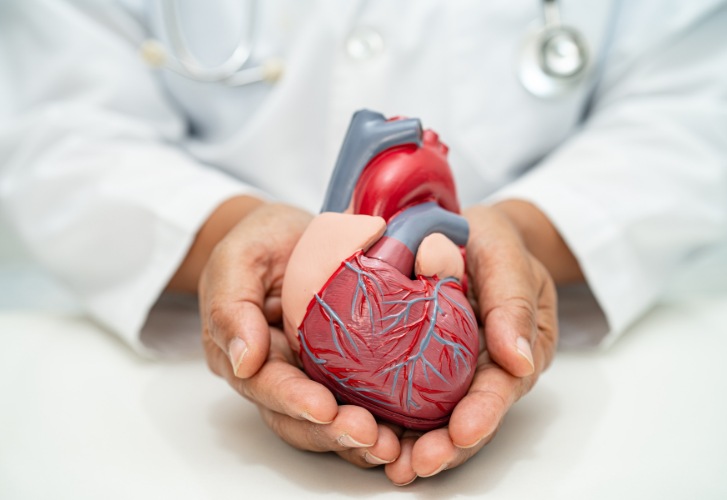
Thoracic surgery treats the lungs esophagus trachea pleura mediastinum and chest wall while cardiac surgery treats the heart coronary arteries cardiac valves and aortic structures. Both operate inside the chest but the organ systems are entirely separate the training pathways dont overlap and the disease categories each one manages are different in every clinical setting
According to Dr. George Karimundackal, Lung Cancer Specialist in Mumbai and Director of Thoracic Surgery at Nanavati Max Super Speciality Hospital, “Most patients with a lung or airway problem end up at a cardiac surgeons door first because nobody told them the difference and that wrong turn costs weeks”
Thoracic Surgery vs Cardiac Surgery at a Glance
| Thoracic Surgery | Cardiac Surgery | |
| Organs | Lungs esophagus trachea pleura mediastinum chest wall | Heart coronary arteries cardiac valves aorta |
| Conditions | Lung cancer esophageal cancer mediastinal tumors pleural disease | Coronary artery disease valve disease aortic aneurysm |
| Procedures | Lobectomy esophagectomy VATS RATS thymectomy | CABG valve replacement aortic repair |
| Training | MCh Thoracic Surgery | MCh Cardiothoracic or Cardiac Surgery |
| Hospital stay | 3-5 days VATS/robotic and 7-14 days open | 5-10 days based on procedure |
How These Two Specialties Actually Split the Chest?
Stage at Symptoms depend on how much fluid has accumulated and how quickly it developed. Small effusions are The Both specialties operate inside the same ribcage but they carve up whats in there between them and those boundaries almost never get crossed in actual practice
- What thoracic surgery handles: Everything in the chest thats not the heart so lungs food pipe windpipe the lining around the lungs the space between both lungs the diaphragm and the chest wall. Lung cancer treatment esophageal cancer pleural problems mediastinal growths airway conditions all land here
- What cardiac surgery handles: The heart and everything connected to it so coronary arteries heart valves and the aorta. Bypass grafting valve replacement aortic repair. Nothing to do with lungs or the food pipe at all
- The training tracks dont mix: One path goes MBBS then MS then MCh Thoracic Surgery. The other goes MBBS then MS then MCh Cardiothoracic or Cardiac Surgery. Not the same degree not interchangeable and hospitals treat them as separate departments
- Why specialization changes outcomes: Theres published data showing that when a thoracic-only surgeon does a lung resection the mortality rate is significantly lower than when a cardiothoracic surgeon whose main work is hearts does the same operation
You sometimes hear about surgeons who did combined cardiothoracic training. Fair enough. But a thoracic-only specialist isnt going to do your bypass and a cardiac-only surgeon isnt touching your lung cancer
How Do You Know Which Surgeon You Actually Need?
This is where things go sideways for families all the time. You walk into the wrong specialists office first and suddenly youve burned weeks before the right person even gets a look at the case
These signs point to thoracic not cardiac: Random lung nodule showing up on a scan or cough hanging around for more than 3 weeks especially if you smoke or losing weight without trying. Even with a cardiac history these need a thoracic surgeon. Read more at when to see a thoracic surgeongeal Cancer Surgery Survival Rate
If its lungs or airway go thoracic: Lung mass on a scan or trachea getting narrow or fluid building up around the lung or something growing in the mediastinum or esophageal cancer and all of that goes to a thoracic surgeon. For the right cases robotic thoracic surgery is how its done now at centres with the volume
If its the heart go cardiac: That classic pressure-type pain going down the arm or into the jaw that gets worse when you walk and shows ST changes on the ECG. Thats cardiology first and then cardiac surgery if they decide you need bypass or a valve fixed
Chest pain is where everyone gets confused: Lung problems and pleural conditions can produce pain that feels exactly like a heart attack on first presentation and you cant tell the difference without an ECG and chest imaging which is why both get ordered every time
Why Choose Dr. George Karimundackal For Thoracic Surgery
Dr. George Karimundackal MBBS MS General Surgery MCh Surgical Oncology MRCS Edinburgh. Thoracic-only guy for 15+ years with zero cardiac cases ever. 1000+ thoracoscopic surgeries on his own. Was Professor of Thoracic Surgery at Tata Memorial and now heads the department at Nanavati Max Mumbai. Every case goes through structured pre-operative evaluation and tumor board review before any surgical decision is finalized. Patients get a clear answer on whether thoracic or cardiac referral is needed within the first consultation itself
FAQ
What is the main difference between thoracic and cardiac surgery
Thoracic covers lungs esophagus and airways and cardiac covers the heart and coronary vessels
Can a cardiac surgeon do lung cancer surgery
Data shows thoracic-only surgeons get significantly lower mortality for lung resections than surgeons who mainly do cardiac work
What chest symptoms mean you need a thoracic surgeon
Lung mass pleural effusion esophageal cancer mediastinal tumour tracheal narrowing and chest wall problems all go to thoracic
Is cardiothoracic the same as thoracic surgery
No cardiothoracic trains across both while thoracic-only means the surgeon works exclusively on chest organs other than the heart