Lung cancer is a serious condition that begins in the lungs, usually in the cells lining the air passages. It is one of the most common cancers globally and is responsible for the highest number of cancer-related deaths worldwide. Because lung cancer often develops silently without early symptoms, it is frequently diagnosed at advanced stages.
Smoking is the leading risk factor, but non-smokers can also develop lung cancer due to second-hand smoke, radon exposure, air pollution, or a family history of the disease. Early detection through regular screening and increased awareness can significantly improve outcomes.
If you or someone you know is concerned about lung cancer, consulting a healthcare professional is essential. Many hospitals and clinics offer screening programs, and there are support groups available for individuals diagnosed with lung cancer. Dr. George’s practice provides comprehensive resources for lung cancer screening, diagnosis, and treatment. For more details, please visit our Lung Cancer page or our Patient Resources page.
In this article, we’ll confront the robotic thoracic surgery myths head‑on, exposing what’s fact, what’s fiction, and why modern patients should be informed when making surgical decisions.
What Is Lung Cancer Awareness Month?
→ Let’s untangle the misconception first.
Many people assume robotic thoracic surgery is inherently so complex that it must be unreliable or prone to mishaps. That’s not true.
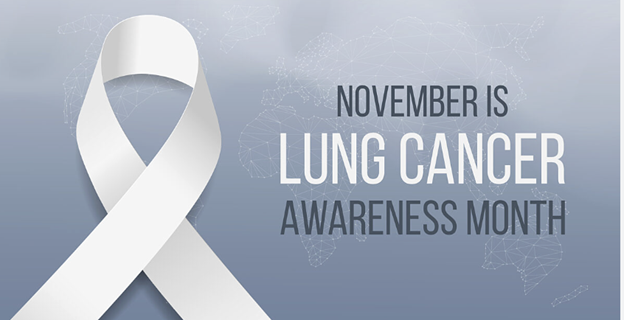
Every November, Lung Cancer Awareness Month brings attention to lung cancer. It’s a time dedicated to raising awareness, promoting education, and increasing understanding about the importance of prevention, early detection, and treatment.
This month-long initiative aims to shed light on the risk factors associated with lung cancer, the importance of screening, and the life-saving potential of early diagnosis. Through awareness campaigns, people worldwide are encouraged to share information, attend events, and take action to fight lung cancer.
Why November? The Importance of Lung Cancer Awareness Month
November is designated as Lung Cancer Awareness Month because it coincides with several cancer awareness initiatives. Dedicating this month to lung cancer it allows individuals to understand the prevalence of the disease, its impact on public health, and the need for more research and preventive measures.
● Lung cancer is the leading cause of cancer deaths worldwide, claiming millions of lives each year. Yet, despite its prevalence, public awareness about lung cancer is still relatively low compared to other cancers, such as breast cancer or prostate cancer.
● Through campaigns and awareness programs, its aims to reduce stigma, promote early screening, and increase funding for research into more effective treatments and cures.
Understanding the Risk Factors of Lung Cancer
Lung cancer doesn’t discriminate. While smoking is the most significant risk factor, non-smokers can develop lung cancer too. Here are the key risk factors to be aware of:
Smoking – The leading cause of lung cancer. In fact, 80-90% of lung cancer cases in adults are related to smoking.
Second-hand Smoke – Exposure to second-hand smoke increases the risk of lung cancer in non-smokers.
3. Radon Exposure – Radon is a naturally occurring radioactive gas found in soil and rock. Long-term exposure can lead to lung cancer.
4. Air Pollution – Living in areas with high levels of air pollution increases the risk of developing lung cancer.
5. Occupational Exposure – Asbestos, arsenic, and other hazardous substances in certain industries increase the risk of lung cancer.
6. Family History – A family history of lung cancer can increase your chances of developing the disease, even if you don’t smoke.
How Early Detection Can Save Lives
Lung cancer often has no early symptoms, which is why it’s commonly diagnosed at later stages. However, early detection is key to improving survival rates. Research shows that screening for lung cancer with low-dose CT scans can identify the disease at earlier, more treatable stages.
● According to the American Cancer Society, early-stage lung cancer has a higher survival rate when treated early.
● Lung cancer screening is recommended for individuals who meet certain risk factors, such as being between the ages of 55 and 80 and having a history of heavy smoking.
What You Can Do During Lung Cancer Awareness Month
Lung Cancer Awareness Month provides an excellent opportunity to get involved. Here are some actions you can take:
1. Get Screened: If you’re at high risk for lung cancer, talk to your doctor about screening options. Early detection can significantly improve outcomes.
2. Share Information: Spread the word on social media about lung cancer prevention and screening. Use hashtags like #LungCancerAwarenessMonth to help raise awareness.
3. Support Research: Participate in fundraising efforts or donate to organizations dedicated to lung cancer research and patient support.
4. Join Awareness Events: Many organizations host events in November to educate the public, raise funds, and promote lung cancer screenings. Attend events in your community or virtually.
Conclusion
Lung Cancer Awareness Month in November is a time to focus on the facts about lung cancer—how to prevent it, how to detect it early, and how we can all help spread awareness. By learning more about the disease, participating in campaigns, and supporting research efforts, we can make a difference in the fight against lung cancer.
People aged 55 to 80, with a history of heavy smoking, should consider lung cancer screening. It’s also important for those who have been exposed to radon, asbestos, or other carcinogens. Talk to your doctor to assess your eligibility for screening.
Yes. While smoking is the leading cause, non-smokers can still develop lung cancer due to other risk factors such as exposure to second-hand smoke, radon, pollution, or genetic predisposition.
Early detection through screening (low-dose CT scans) helps find lung cancer before symptoms appear, leading to more effective treatments and a better chance of survival.